Sending cryptocurrency is one of the most basic yet important actions in the blockchain ecosystem. Whether you’re transferring tokens to an exchange, paying someone, or interacting with a decentralized application, knowing how to send assets safely is essential.
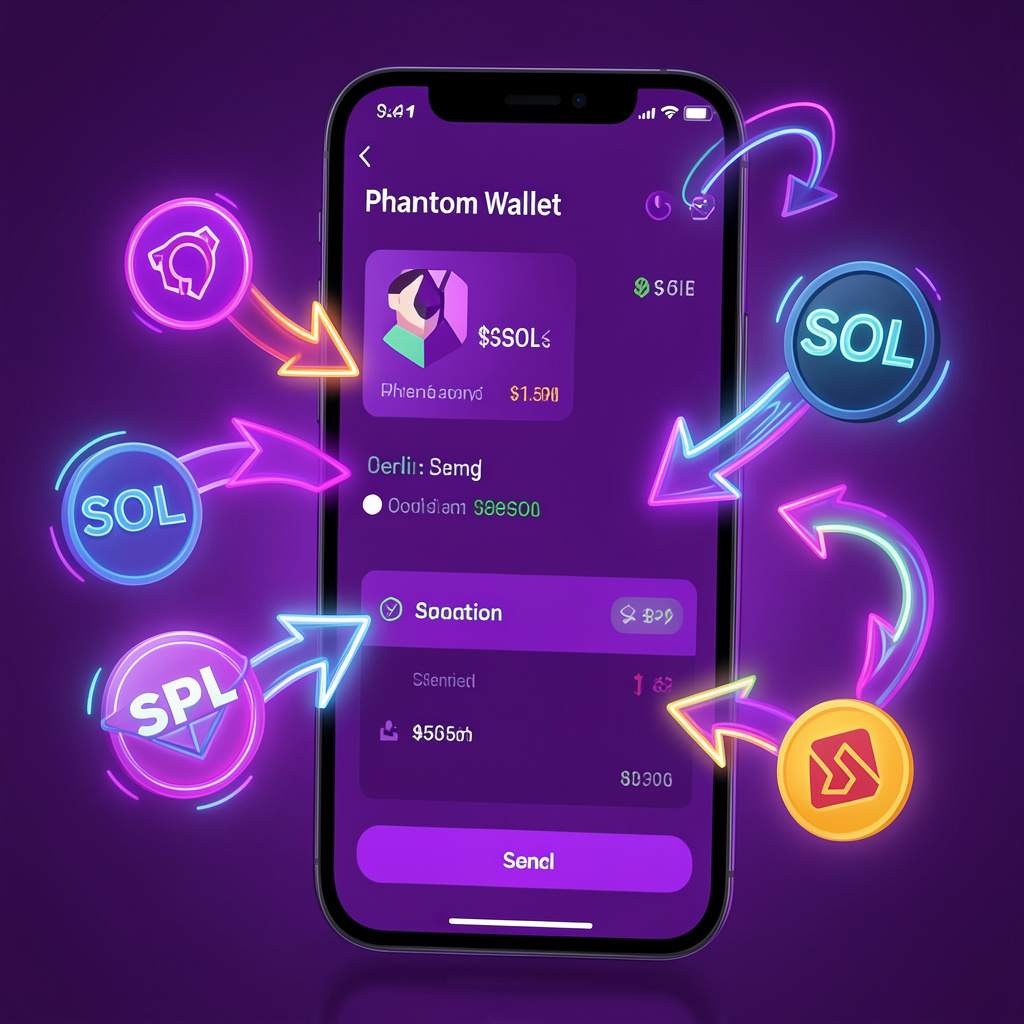
Phantom Wallet is one of the most widely used crypto wallets, especially for users interacting with the Solana ecosystem , but it also supports Ethereum and Polygon networks . This guide explains exactly how to send crypto using Phantom Wallet, including the requirements, step-by-step process, fees, and security tips.
What Does “Send from Phantom Wallet” Mean? Sending from Phantom Wallet means initiating a blockchain transaction that transfers SOL or SPL tokens from your wallet address to another Solana address. Phantom signs the transaction with your private key and broadcasts it to the Solana network.
Key transaction elements:
Sender wallet address
Recipient wallet address
Token type (SOL or SPL token)
Network fee
Blockchain confirmation
Next, understand how Phantom Wallet works before sending funds.
What Do You Need Before Sending Crypto from Phantom Wallet? Before sending any cryptocurrency from Phantom Wallet, you must have several things prepared to ensure the transaction goes smoothly.
Required Elements
Phantom Wallet installed (browser extension or mobile app)Crypto balance in the wallet Recipient wallet address Native token balance for network fees
These components ensure your transaction can be processed by the blockchain.
Requirement Purpose Wallet Stores your private keys and tokens Recipient address Destination where the crypto will be sent Native token Used to pay the network transaction fee Internet connection Allows the transaction to broadcast to the blockchain
For example:
Sending on Solana requires a small amount of SOL for fees
Sending on Ethereum requires ETH for gas fees
Sending on Polygon requires MATIC
Without the native token for fees, the transaction will not be processed. The next section walks through the exact sending process.
How Does Phantom Wallet Work on the Solana Blockchain? Phantom Wallet works as a self-custody Web3 wallet that signs and broadcasts transactions to the Solana blockchain.
Key functions:
Stores SOL and SPL tokens
Connects to DeFi apps
Signs crypto transactions
Displays wallet balance and transaction history
Component Function Phantom Wallet Extension Browser-based crypto wallet Phantom Mobile App Mobile wallet for iOS and Android Solana Network Processes transactions Wallet Address Unique identifier for receiving tokens
Next, prepare your wallet before sending crypto.
How to Send SOL or Tokens Using Phantom Wallet You must have SOL balance, a valid recipient address, and enough SOL to pay the network fee.
Checklist:
Phantom Wallet installed
SOL or SPL tokens available
Recipient Solana address
Small SOL balance for transaction fee
Typical Solana fees range from 0.000005–0.00001 SOL per transaction .
Next, learn the step-by-step sending process.
Step-by-Step: How to Send SOL from Phantom Wallet Sending SOL from Phantom requires selecting the token, entering a recipient address, confirming the amount, and approving the transaction.
Step 1: Open Phantom Wallet
Open Phantom Wallet Extension in your browser
Or launch the Phantom Mobile App
Step 2: Click the “Send” Button Phantom displays a Send / Receive interface .
Step 3: Enter the Recipient Wallet Address Add the address using one of these methods:
Paste the Solana address
Scan QR code wallet address
Select saved contacts
Always verify the address to prevent loss of funds.
Step 4: Select Token and Enter Amount Choose:
SOL SPL token (USDC, BONK, RAY, etc.)
Enter the amount to transfer.
Step 5: Review Transaction Fee Phantom displays:
Amount sent
Network fee
Total deduction from wallet balance
Step 6: Confirm Transaction Click Send .
Phantom signs the transaction and broadcasts it to the Solana blockchain .
Next, verify the transaction on-chain.
How Do You Check Phantom Wallet Transaction Status? You check Phantom transactions using the transaction hash (TXID) on a Solana blockchain explorer.
Steps:
Open Phantom Wallet
Click Recent Activity
Select the transaction
Copy the Transaction Hash (TXID)
Then view it on explorers such as:
Solscan
Solana Explorer
Solana Beach
Status Meaning Pending Awaiting network confirmation Confirmed Transaction included in block Finalized Fully confirmed on Solana
Next, learn how to send SPL tokens.
What Are SPL Tokens in Phantom Wallet? SPL tokens are fungible tokens created on the Solana blockchain using the Solana Program Library standard.
Examples:
USDC (Solana version)
BONK
Raydium (RAY)
Marinade (MNDE)
These tokens transfer the same way as SOL but use token accounts.
Steps to Send SPL Tokens Using Phantom
Open Phantom Wallet
Select the token asset
Click Send
Paste the recipient Solana address
Enter the token amount
Confirm transaction
Phantom automatically handles associated token accounts when needed.
Next, learn about transaction fees.
What Are Phantom Wallet Transaction Fees? Phantom Wallet uses Solana network fees, which remain extremely low compared to Ethereum gas fees.
Typical values:
Network Average Fee Solana $0.0002 – $0.002 Ethereum $1 – $50+
Fee characteristics:
Paid in SOL
Charged per transaction
Independent of token value
If the wallet lacks SOL, the transaction fails.
Next, review important security steps.
What Security Checks Should You Follow Before Sending Crypto? You should verify addresses, protect private keys, and confirm networks before sending tokens.
Critical security practices:
Verify recipient wallet address
Send small test transaction first
Avoid copying addresses from unknown sources
Never share seed phrase
Confirm correct blockchain network
Phantom Wallet never asks for your private key .
Next, understand common sending errors.
Why Does Phantom Wallet Transaction Fail? Phantom transactions fail due to insufficient SOL fees, incorrect addresses, or network issues.
Common causes:
Error Cause Fix Insufficient SOL No fee balance Add SOL Invalid Address Non-Solana address Verify address Network Congestion Temporary delay Retry later Token Account Missing Recipient not initialized Phantom auto-creates
Next, review advanced sending options.
Can You Send Crypto Using QR Codes in Phantom? Yes. Phantom Wallet supports QR code scanning to input recipient wallet addresses.
QR sending process:
Open Send
Tap Scan QR
Scan recipient wallet code
Enter amount
Confirm transaction
QR scanning reduces copy-paste errors.
Next, learn how Phantom works with DeFi tokens.
Can You Send DeFi Tokens from Phantom Wallet? Yes. Phantom Wallet supports transferring DeFi tokens built on the Solana SPL token standard.
Examples:
Raydium (RAY)
Serum (SRM)
Bonk (BONK)
Marinade (MNDE)
These tokens appear automatically when stored in your wallet.
Next, review Phantom wallet limits.
Are There Sending Limits in Phantom Wallets?
Factors affecting transfer size:
Available wallet balance
Required network fee
Token liquidity on recipient platform
Large transfers confirm quickly due to Solana’s high throughput.
Next, explore frequently asked questions.
Frequently Asked Questions Phantom Wallet Sending Workflow Summary Step Action 1 Open Phantom Wallet 2 Click Send 3 Enter recipient Solana address 4 Select SOL or token 5 Enter amount 6 Confirm transaction 7 Track TXID on blockchain
Phantom Wallet integrates directly with the Solana blockchain to process token transfers within seconds .