Staking with MetaMask: How It Works and What to Know
Staking with MetaMask: How It Works and What to Know
CrisCoin 11 min readMetaMask
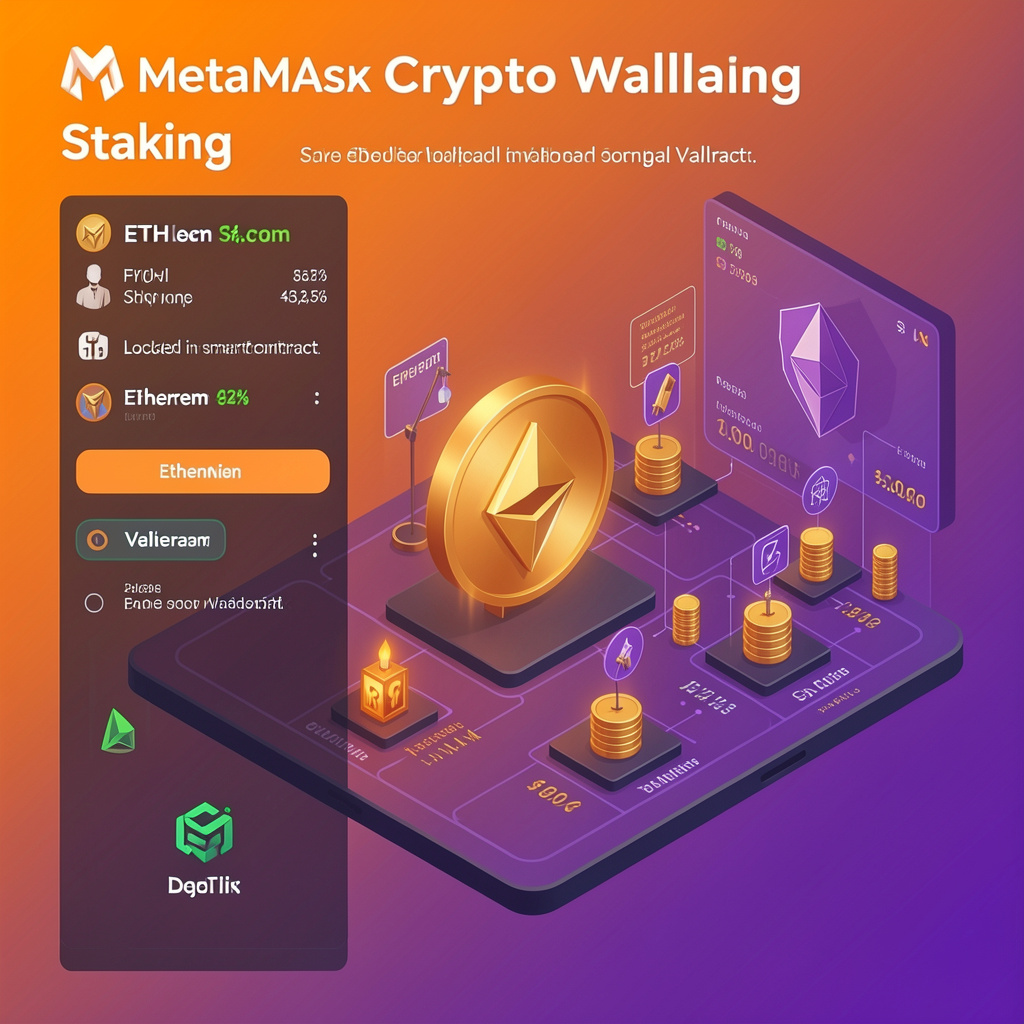
Staking with MetaMask locks cryptocurrency in Proof of Stake (PoS) networks to generate rewards — MetaMask connects your wallet to DeFi staking protocols like Lido Finance and Rocket Pool via smart contracts.
MetaMask itself does not execute staking; it enables protocol access, and rewards derive from network issuance.
What Is Ethereum Staking via MetaMask?
Ethereum operates on Proof of Stake, where validator nodes confirm transactions and secure the network. MetaMask does not stake directly — it connects you to DeFi platforms that execute staking through smart contracts, which then assign your ETH to validators.
How Does Staking via MetaMask Work?
Process Steps
You connect MetaMask to a staking dApp
You deposit ETH into the smart contract
The protocol delegates ETH to validator nodes
You receive staking rewards
Which Staking Methods Does MetaMask Support?
MetaMask supports direct, liquid, and pooled staking through DeFi integrations, each differing in minimum ETH, liquidity, and infrastructure requirements.
Method
Minimum ETH
Liquidity
Platform Example
Direct staking
32 ETH
Low
Self-run node
Liquid staking
0.01 ETH
High
Lido Finance
Pooled staking
~0.01 ETH
Medium
Rocket Pool
How to Stake ETH — Step by Step
1
Open MetaMask
Access your wallet.
2
Access a staking dApp
Such as Lido or Rocket Pool.
3
Connect your wallet
Approve the connection request.
4
Input ETH amount and confirm
Confirm the transaction — MetaMask signs it using your private keys, and a gas fee applies.
What Fees Do You Pay?
Staking via MetaMask includes gas fees, protocol fees, and potential slippage, which together impact your net staking yield.
Gas fees — vary between $1 and $50 per transaction
Protocol fees — reduce rewards (Lido ~10%, Rocket Pool ~15%)
Slippage — affects token conversion rates
What Risks Exist When Staking with MetaMask?
Key Risks to UnderstandSmart contracts may contain vulnerabilities, validators can incur slashing penalties, and liquid staking tokens may experience depeg events. Private keys remain your responsibility — MetaMask stores them locally.
How Much Can You Earn Staking with MetaMask?
Ethereum staking via MetaMask yields approximately 3%–5% APY, depending on validator performance and network conditions.
Platform
Approximate APY
Lido Finance
~3.5%
Rocket Pool
~3%–4%
Direct staking
~4%
When Should You Use MetaMask for Staking?
Best-Fit Scenarios
You hold less than 32 ETH
You prefer liquid staking tokens for flexibility
You accept smart contract risk in exchange for DeFi access
MetaMask provides the access layer to DeFi staking — not the staking execution itself.
Frequently Asked Questions
No, MetaMask does not execute staking natively. It connects your wallet to external DeFi protocols like Lido Finance or Rocket Pool, which handle the staking process.
Approximately 3%–5% APY, depending on the platform and validator performance. Lido offers roughly 3.5%, and Rocket Pool 3%–4%.
Direct staking requires 32 ETH. Liquid and pooled staking through platforms like Lido or Rocket Pool require as little as 0.01 ETH.
Smart contract vulnerabilities, validator slashing penalties, and depeg risk on liquid staking tokens are the primary risks to understand before staking.