TradingView Replay Mode: Complete Guide to Simulated Trading
TradingView Replay Mode: Complete Guide to Simulated Trading
CrisCoin 15 min readTradingView
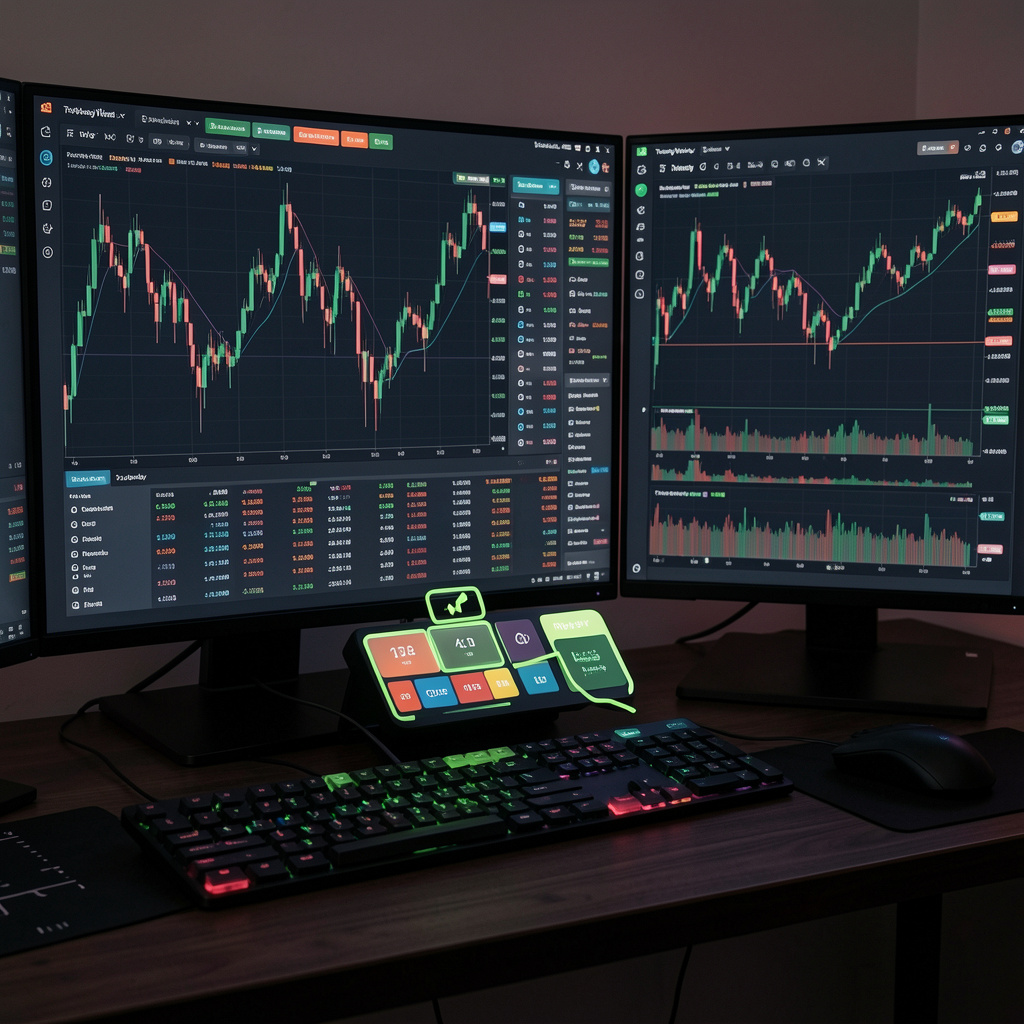
TradingView Replay Mode replays historical price data candle-by-candle to simulate live market conditions without hindsight bias.
It’s structurally accurate since it uses real OHLC candle data, but it lacks real execution conditions like spread and broker latency — so results often overestimate real-world profitability.
Example: you test EUR/USD on a 1H chart and validate breakout behavior across 200 historical candles before risking real capital.
Where Is Replay Mode Located in TradingView?
TradingView Replay Mode sits in the top chart toolbar as a dedicated replay icon, and you can activate it directly from any supported chart layout.
Element
Function
Replay Button
Activates simulation mode
Timeline Selector
Chooses the starting candle
Playback Controls
Adjusts replay speed
Subscription LimitsReplay depth is limited on the free plan compared to Premium, which unlocks a much longer historical range.
How Do You Start Replay Mode Step-by-Step?
1
Select a candle in the past
Choose where the simulation should begin.
2
Click the replay button
Activate the simulation environment.
3
Press “Play” to begin
Candles start forming sequentially.
4
Adjust speed using controls
Playback ranges from slow to fast, and step-forward allows precise candle-by-candle analysis.
Example: you can simulate Bitcoin price action during a volatile session to test scalping entries safely.
How Does Replay Mode Support Backtesting vs Forward Testing?
Replay Mode enables both manual backtesting and simulated forward testing using historical data, removing hindsight bias from the process.
Method
Data Type
Purpose
Backtesting
Historical
Validate strategy rules
Forward Testing
Simulated live
Test decision-making
Data Points
Manual backtesting identifies repeating setups across 100–300 trades
Traders generally need 30–50 sample trades to validate edge reliability, per Van Tharp research
How Do You Test a Trading Strategy in Replay Mode?
You test a strategy by executing predefined entry, exit, and risk rules while the replay runs.
Example Setup
Entry: break of resistance
Exit: 2:1 risk-reward ratio
Stop-loss: below the support level
How Does Replay Mode Improve Entry and Exit Timing?
Replay Mode improves entry and exit timing by forcing decisions without future data visibility, which reduces hindsight-driven bias.
Example: you avoid early entries by waiting for candle-close confirmation before acting.
How Do You Analyze Market Structure With Replay Mode?
Replay Mode reveals market structure through sequential highs, lows, and trend shifts.
Structure
Pattern
Uptrend
Higher highs and higher lows
Downtrend
Lower highs and lower lows
Range
Horizontal consolidation
How Do Technical Indicators Perform in Replay Mode?
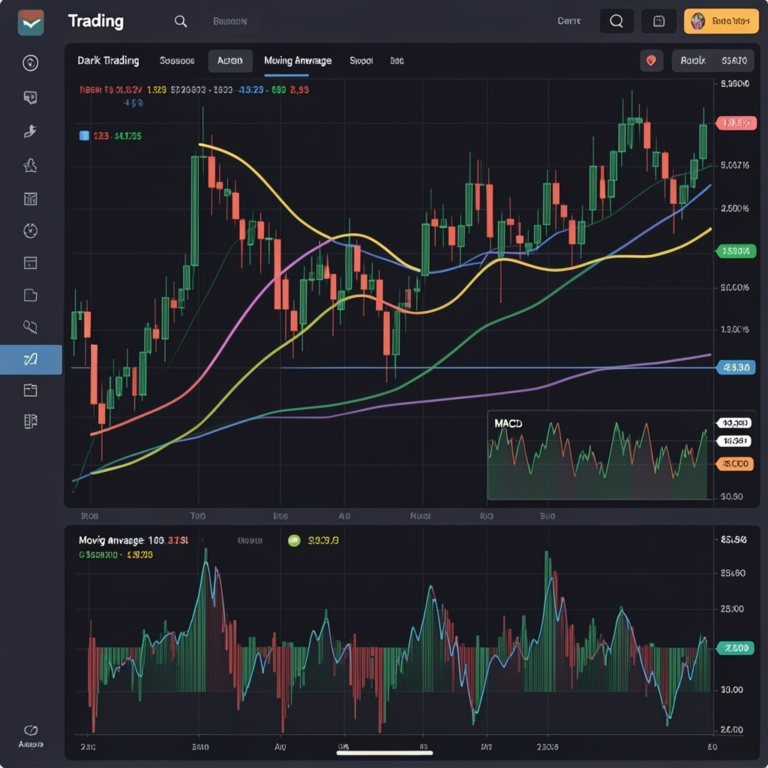
Technical indicators update dynamically during replay, reflecting real-time signal behavior.
Indicator
Function
Limitation
RSI
Momentum
False signals in strong trends
MA
Trend
Lagging response
MACD
Momentum shift
Delayed confirmation
How Do Candlestick Patterns Form in Replay Mode?
Candlestick patterns form sequentially, enabling objective price action analysis without hindsight.
Examples
Bullish engulfing signals a reversal
Pin bar indicates rejection
Doji signals indecision
How Do Timeframes Affect Replay Mode Results?
Timeframes determine signal frequency, accuracy, and trade duration.
Timeframe
Signal Type
Trade Style
1M–15M
High frequency
Scalping
1H–4H
Balanced signals
Day trading
Daily
Strong trends
Swing trading
How Do You Apply Risk Management in Replay Mode?
Replay Mode enables risk management testing through position sizing and stop-loss placement.
Typical Risk GuidanceRisk per trade typically ranges 1–2%. A 1:2 risk-reward ratio only requires a 50% win rate to break even.
How Do You Track Trading Performance in Replay Mode?
You track win rate by recording the outcome of each simulated trade.
Metric
Definition
Win Rate
% of profitable trades
Drawdown
Peak-to-loss decline
R:R Ratio
Risk vs reward balance
Why Does Trading Psychology Matter in Replay Mode?
Trading psychology determines consistency, discipline, and decision quality, even inside a simulated environment.
Example: avoiding revenge trading after consecutive losses is just as important in replay as it is live.
How Do You Journal Trades During Replay Mode?
You journal trades by recording setups, logic, and outcomes, which reveals recurring mistakes over time.
Sample Journal Fields
Asset and timeframe
Setup type
Outcome (win/loss)
How Accurate Is TradingView Replay Mode?
Replay Mode is structurally accurate but lacks real execution conditions.
What’s MissingBrokers apply a spread of 0.1–3.0 pips in forex, and real markets include 50–300ms of latency — replay often overestimates profitability as a result.
Replay Mode also differs from paper trading: replay uses historical simulation, while paper trading streams live prices — both avoid real capital risk.
What Are the Limitations of TradingView Replay Mode?
Key Constraints
No automated strategy execution
No real market liquidity simulation
Limited historical depth on free plans
These constraints particularly affect scalping simulations, since missing spread and latency distort execution realism.
Best PracticesTest at least 100 trades per strategy, maintain consistent risk per trade, and review your performance weekly. Traders who journal consistently improve performance consistency by over 20%, based on behavioral finance research.
Frequently Asked Questions
It’s a tool that replays historical price data candle-by-candle, letting you practice trading decisions in a simulated environment without seeing future price movement.
It’s located in the top chart toolbar as a dedicated replay icon, available on any supported chart layout.
It’s structurally accurate since it uses real historical candle data, but it misses spread, latency, and real liquidity — so results often overestimate real profitability.
No. Replay Mode simulates past data, while paper trading streams live prices in real time. Both let you practice without risking real capital.
Most guidance suggests testing at least 100 trades per strategy, with 30–50 sample trades as a minimum to start validating an edge.